As patient panels expand and compliance requirements become more complex, healthcare teams are under more pressure than ever. For years, artificial intelligence has been talked about as a future solution to these challenges. Now, finally, as the technology has matured and familiarity has spread, AI’s value for care teams is being realized in practical, day-to-day ways.
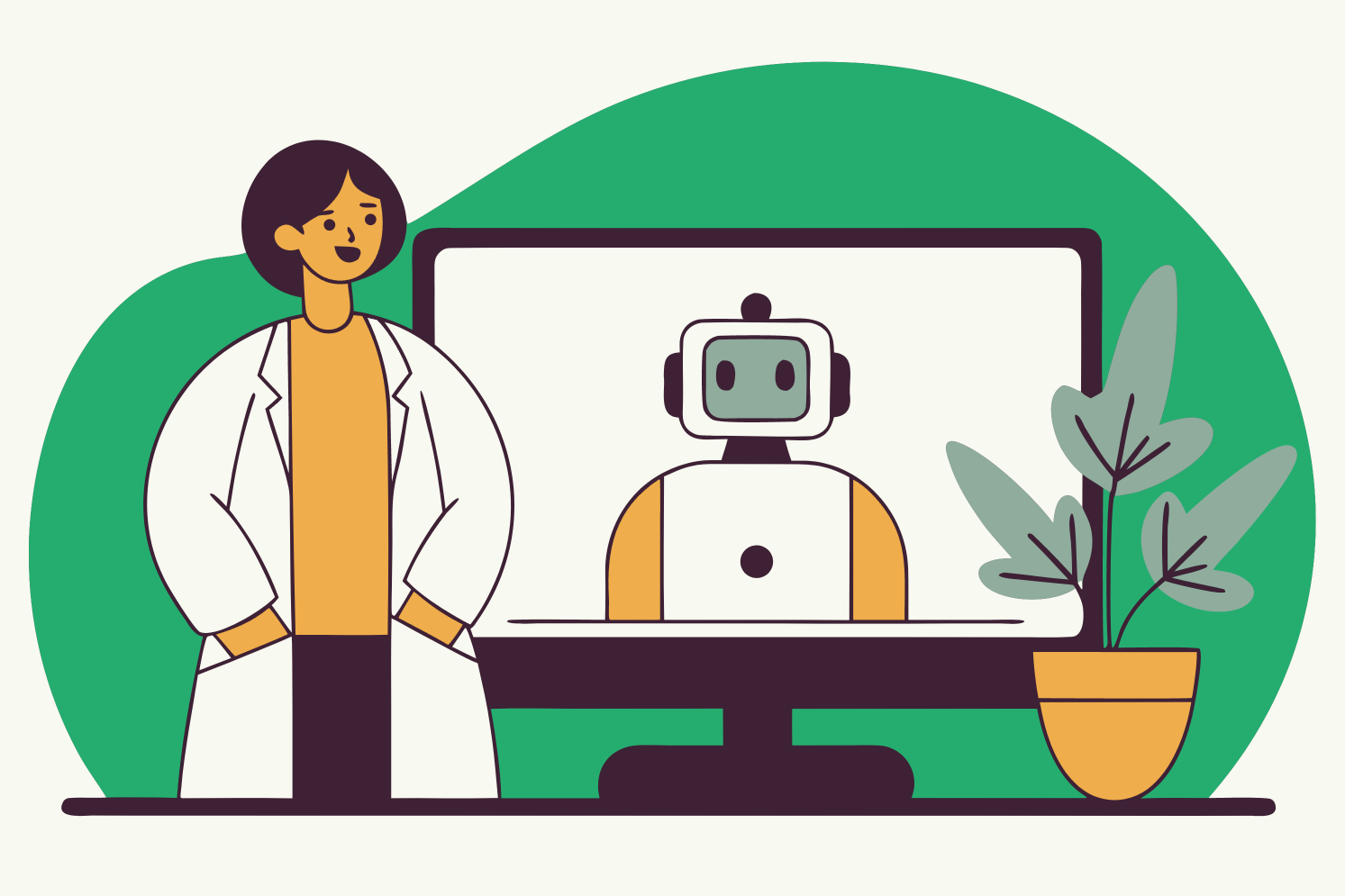
The most effective applications of AI in healthcare don’t replace clinicians. Rather, they play a key supporting role, taking on rote tasks at scale, freeing care teams to apply their experience, judgment, and uniquely human skills with patients. In this piece, I’ll walk through how this shift is taking shape in everyday care workflows right now.
AI works best when it’s embedded in care workflows
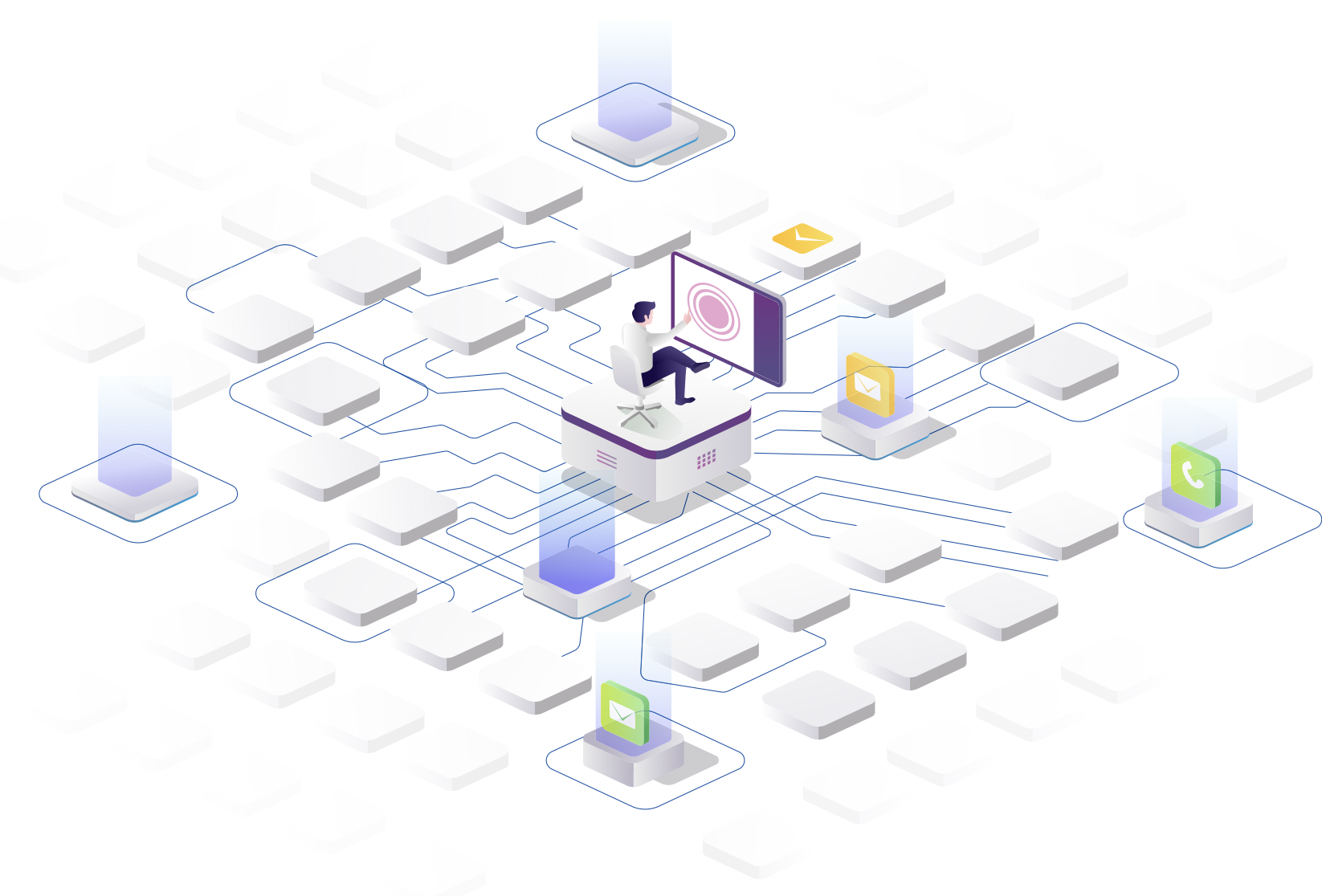
Early healthcare AI efforts often fell short because they added new tools, dashboards, and steps to already strained workflows. Instead of reducing complexity, they introduced more. The shift now is toward embedded AI, where intelligence operates within existing care processes.
Embedded AI reduces burden by summarizing information, flagging issues, and supporting decisions in the background, without requiring additional steps from staff. When intelligence fits naturally into existing workflows, clinicians can devote more time and attention to patients rather than to administrative tasks.
This approach aligns with findings from the American Medical Association, whose recent survey work shows that 57% of physicians see reducing administrative burdens through automation as the single biggest opportunity for AI in healthcare. To be sure, physicians are not asking AI to replace them; they want AI to remove routine work so they can spend more time with patients.
Below, I’ll show some examples of how this principle plays out in practice.
Physicians are not asking AI to replace them; they want AI to remove routine work so they can spend more time with patients.
1. Care coaching
Patient engagement remains one of the strongest drivers of outcomes in RPM and CCM programs. Yet consistent outreach, reminders, education, and follow-up are also some of the most time-intensive tasks for care teams.
An AI-powered “care coach” can support routine engagement at scale by providing reminders, symptom prompts, and educational touchpoints. These systems can identify patterns and surface potential concerns, while human staff step in where judgment, empathy, and clinical decision-making are required.
Patients benefit from timely, consistent contact. Staff benefit from spending less time on repetitive tasks and more time on meaningful interactions. Engagement improves without expanding headcount.
2. Automated documentation
Documentation remains one of the leading contributors to clinician burnout. Manual charting, after-hours note completion, and missed details are persistent challenges across care models, including RPM and CCM.
AI-driven documentation tools capture time, interactions, and care activities as they occur. This reduces the need for retrospective data entry and minimizes errors caused by incomplete or delayed documentation. A real-world evidence review in JMIR AI found that ambient AI scribe tools were associated with a 22% reduction in physicians' documentation time and a positive trend in perceived documentation burden.
Cleaner documentation also supports more reliable billing and reduces audit exposure. Instead of relying on staff memory or manual reconciliation, records are built continuously as care is delivered. The result is less administrative drag and greater confidence in program integrity.
3. Compliance tracking
No practice sets out to have compliance failures; rather, they are the inevitable outcome of variability, missed steps, and workflows that rely too heavily on manual checks. As RPM and CCM programs grow, that variability compounds.
AI-driven compliance tracking creates consistency by monitoring required steps in real time. Time thresholds, consent requirements, eligibility criteria, and documentation standards can be enforced automatically as care is delivered, rather than audited after the fact. This removes guesswork from compliance and reduces reliance on staff memory or manual oversight.
For care teams, this means fewer interruptions and less anxiety around audits. For practices, it creates confidence that programs are being delivered correctly month after month, even as patient volumes increase. Consistency becomes the default, not the exception.
From tools to infrastructure: the rise of AI-native care delivery
The future of healthcare AI won’t be defined by individual features or isolated tools. It will be defined by systems that treat AI as foundational infrastructure that supports people rather than replacing them.
In AI-native care delivery models, routine execution happens automatically in the background. Engagement, documentation, and compliance support are built directly into care workflows instead of layered on top of them. This frees human teams to focus on clinical judgment, patient relationships, and escalation, instead of managing process.
This shift is especially important for RPM and CCM programs, where long-term success depends on reliability and consistency at scale. As programs grow, AI-native infrastructure allows care delivery to expand without introducing new bottlenecks, variability, or administrative burden. AI succeeds when it strengthens people’s work, not when it competes with it.
When AI is embedded this way, it improves engagement, reduces administrative overhead, and allows staff to work at the top of their license. As healthcare delivery continues to evolve, AI-native systems will be essential to sustaining quality, compliance, and human connection at scale.
When AI is designed this way, as a quiet, reliable extension of the care team, it moves from promise to practice and delivers real, lasting impact.
Related articles
- The RPM Device Decisions Practices Can’t Afford to Ignore
- Flexibility Matters in RPM: 1bios Supports 25+ Device Manufacturers
- Why RPM and CCM Improve Outcomes in Geriatrics and Senior Care
- How to Strengthen Diabetes, CKD, & Endocrine Care Through RPM & CCM